 EN
 ES
 FR


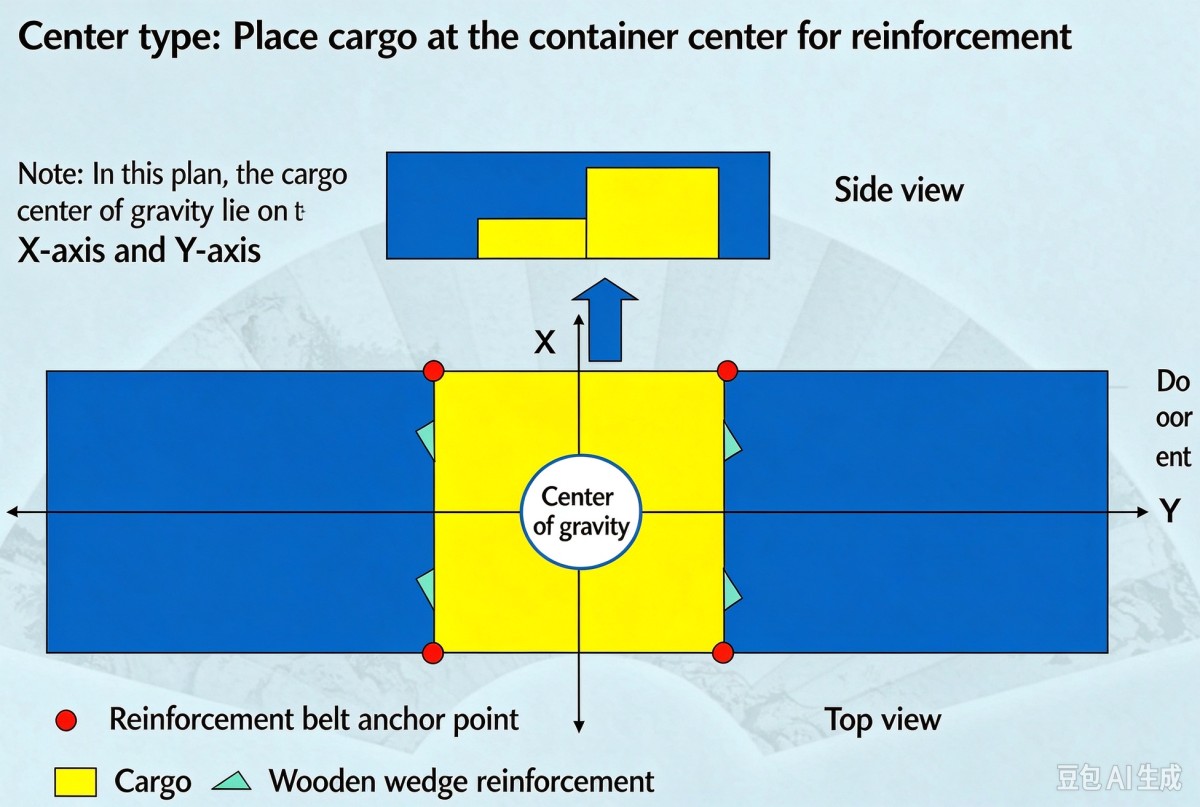
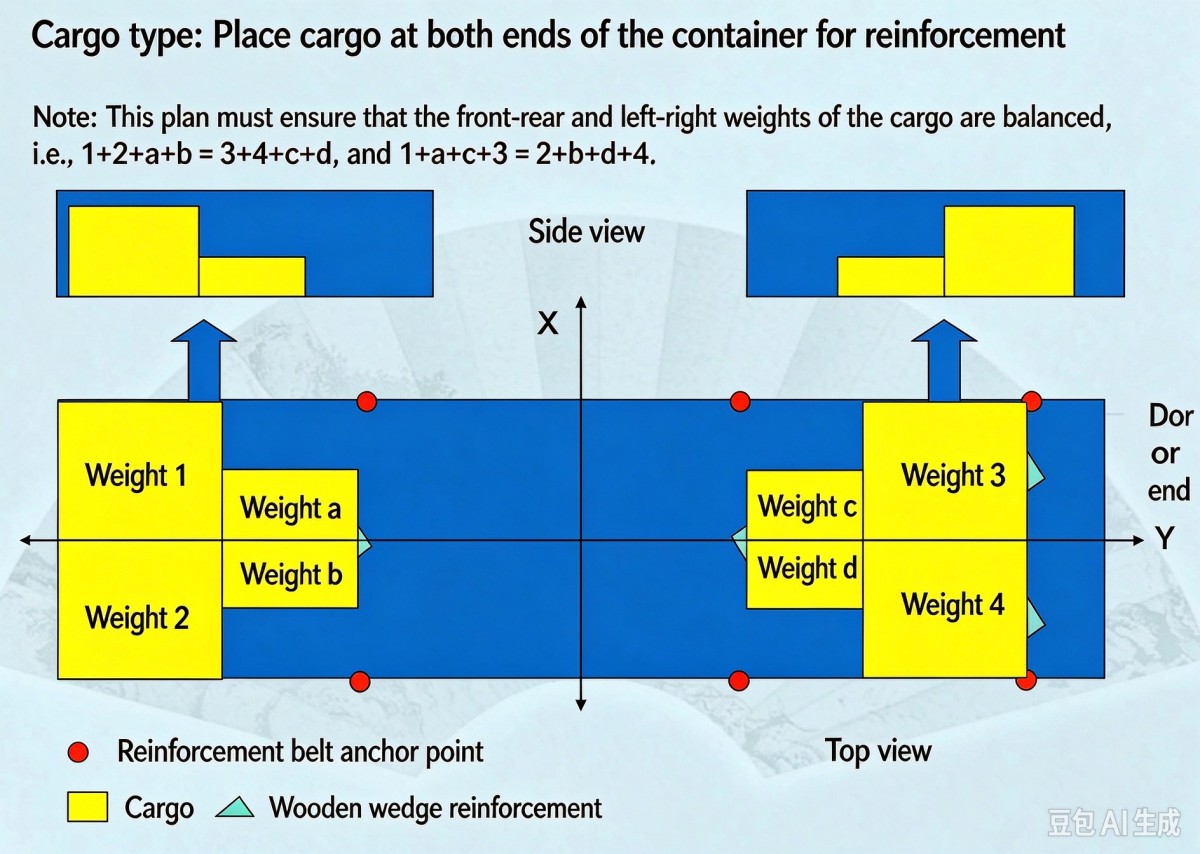
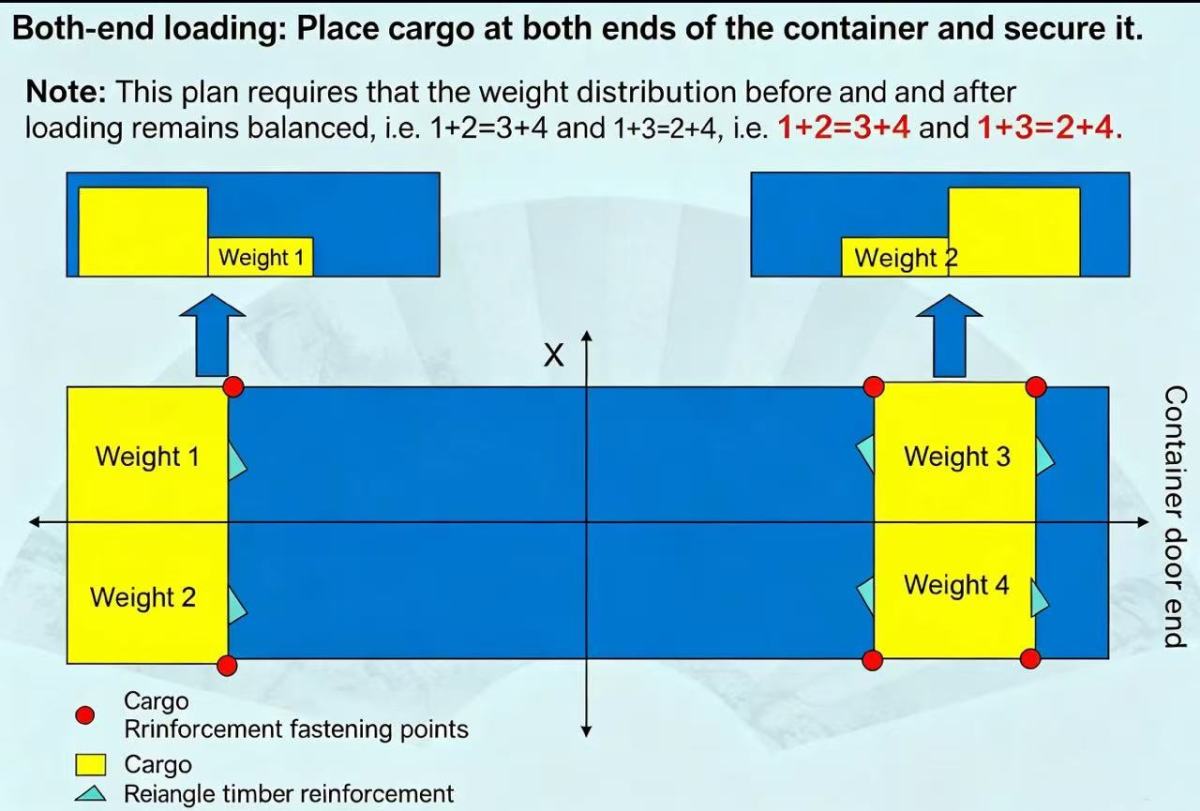
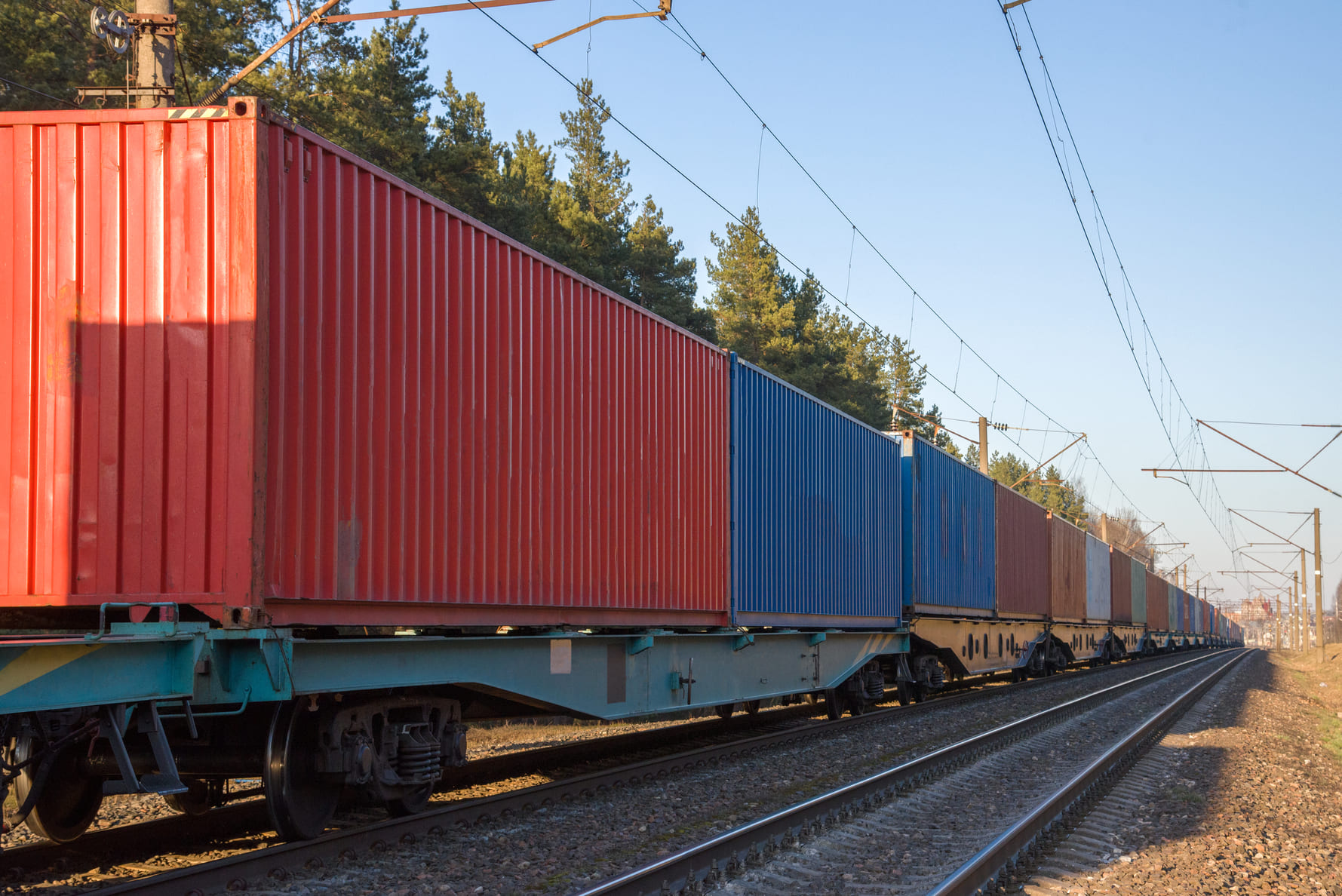
X-axis (Front-to-Rear) Weight Imbalance: During rail transportation, due to uneven track surfaces, a container with excessive front-to-rear weight imbalance may experience lifting and dropping of its lighter end when travelling on sloped sections of track. This can place excessive pressure on the wheels and potentially lead to serious railway accidents, such as derailments or train overturning.
Y-axis (Left-to-Right) Weight Imbalance: When a container with excessive side-to-side weight imbalance passes through a curve, centrifugal force may cause it to tilt sideways. If the lateral displacement is significant, it may cause the train to overturn or collide with an adjacent train when passing another train.
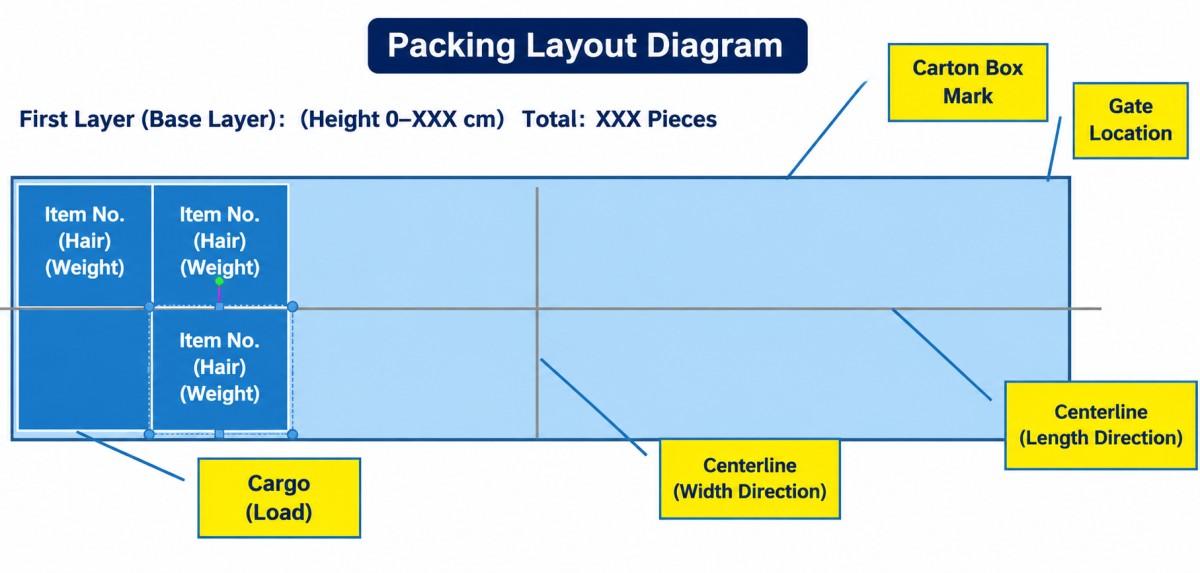 What We Need To Calculate Before Loading The Container?
No Overloading: The total cargo weight must not exceed the container's maximum permitted payload.
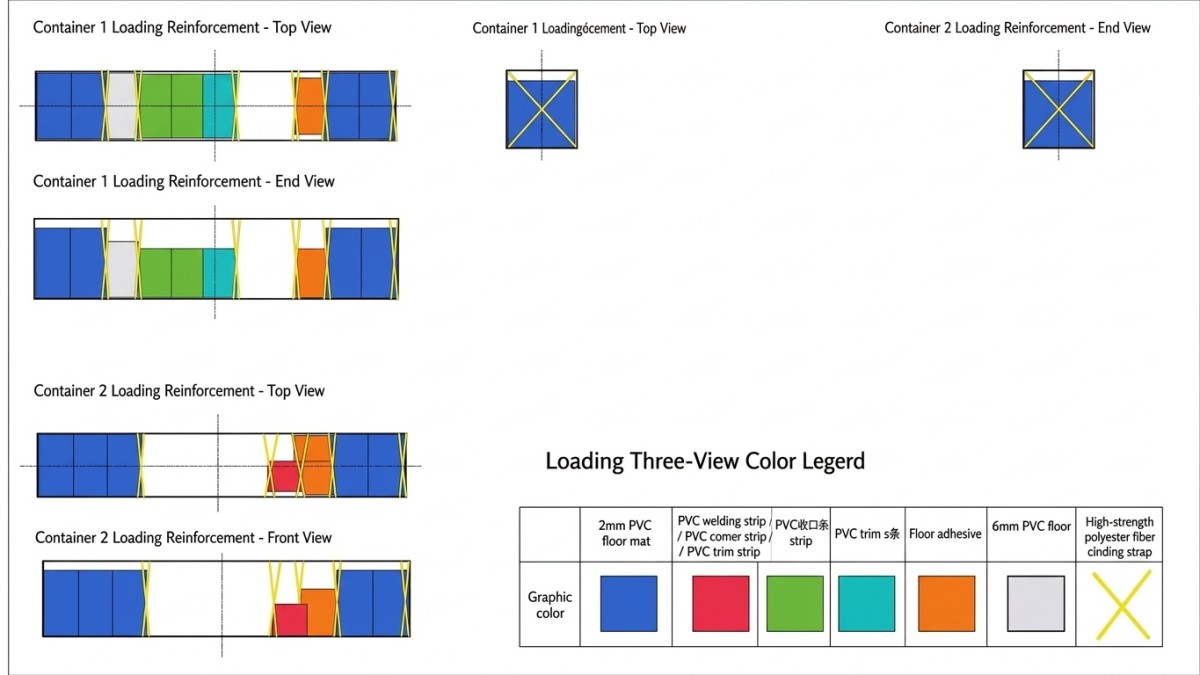
Eevenly Side-to-Side Loading: The cargo's center of gravity must not be offset more than 80 mm from the container's longitudinal centerline. In general, the weight distribution between the left and right sides should be equal. Under special circumstances, the maximum weight difference between the two sides should not exceed 2% of the total cargo weight. For example, if the total cargo weight is 20 metric tons, with 10 tons loaded on the left side, the weight on the right side must not exceed 10.4 tons.
Evenly Front-to-Rear Weight Distribution: The weight difference between the front and rear ends of the container must not exceed 5 metric tons. Uneven weight distribution between the front and rear is referred to as longitudinal imbalance, while uneven distribution between the left and right sides is referred to as lateral imbalance.
No Excessive Concentration of Weight: If the cargo weight divided by the length of its bottom contact area exceeds 2 metric tons (for a 40-foot container) or 4 metric tons (for a 20-foot container), the cargo is considered to have a concentrated load. In such cases, timber dunnage must be used to distribute the weight.





World Leader
Floor covering solutions

Responsible
Recycled materials, recycling of end-of-life products, ISO14001

Multispecialist
Specific responses to the needs of twenty market segments

Expert team
Commitment to the success of our customers

Customer success
Daily commitment to guarantee our customers total quality and competitiveness.
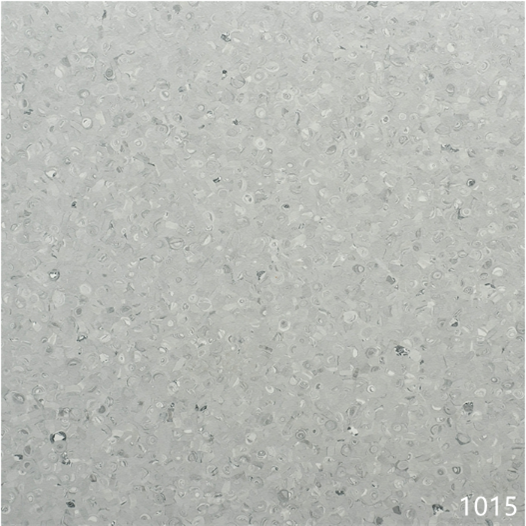
Alabaster
1015
Polysafe Hydro Evolve